Build Your Own CubeSat
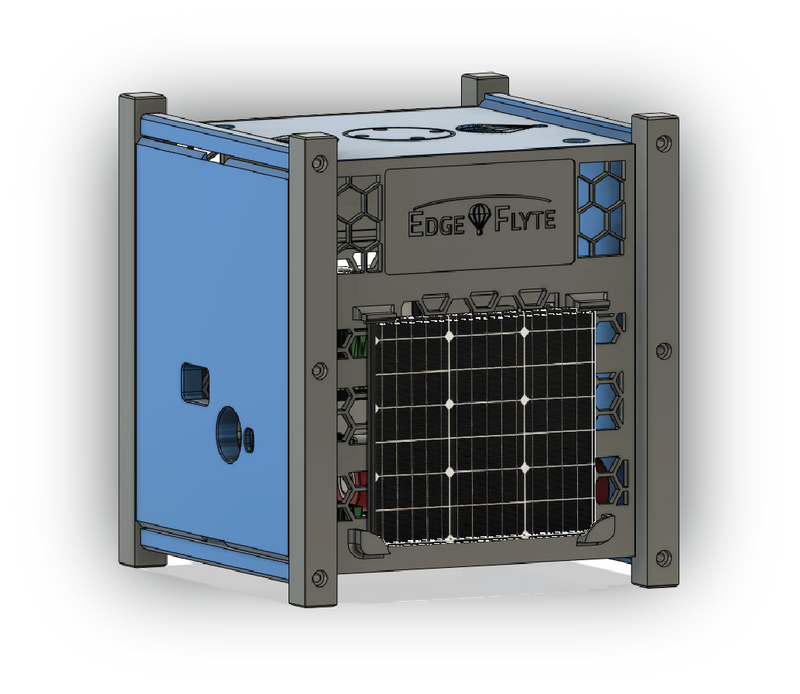
A hands-on 1U educational satellite kit for STEM educators and hobbyists. Explore atmospheric sensors, microcontrollers, communications, and real space hardware — right from your classroom or workbench.
Thanks for listening to Voices on the Wind. Ready to turn inspiration into a hands-on mission?
Your Gateway to the Stars
Designed to mimic real satellite technology — not just a toy, but a genuine learning experience in space communication and engineering.
Elevate Learning
Explore atmospheric sensors, microcontrollers, communications, and more through engaging, project-based STEM activities.
Realistic Design
Crafted to mimic the design and functionality of a real CubeSat satellite — authentic form factor and mission-ready thinking.
All Ages & Levels
Whether you're enhancing a curriculum or expanding your hobby horizons, this kit suits educators, clubs, and families alike.
All-In-One Kit
Frame, solar panels, sensors, communication system, and step-by-step educational materials — everything to get started.
Everything for Your Mission
Inside the box you'll find all the hardware and guidance needed for a seamless space exploration learning experience.
CubeSat Frame & Structure
1U form-factor chassis built for realistic satellite assembly and experimentation.
Solar Panels
Power generation components that teach energy systems used in real spacecraft.
Sensors & Microcontrollers
Atmospheric sensing and onboard computing for data collection and analysis.
Communication System
Learn how satellites relay data — fundamentals of space communications in practice.
Educational Materials
Step-by-step instructions and curriculum-friendly guidance for instructors and learners.
Assembly Components
All hardware needed to build and experiment — choose the variant that fits your skill level.
Built for Curious Minds
A versatile tool for anyone ready to explore space technology hands-on.
STEM Classrooms
Enhance your curriculum with a project that connects physics, engineering, and computer science in one mission.
Science Clubs
Perfect for after-school programs, robotics teams, and maker spaces looking for an ambitious group project.
Hobbyists & Families
Build and experiment together — an unforgettable introduction to satellite technology at any experience level.
Common Questions
How do I use the VOTW5 promo code?
What ages and experience levels is this kit for?
What's the difference between Solder and No-Solder variants?
Can I order kits for my classroom or organization?
What else do I need beyond the kit?
How does shipping and support work?
Start Your Journey to the Stars
Elevate learning, explore space, and inspire the future — one CubeSat at a time.
Use code VOTW5 for 5% off — applied when you click Shop